

Asia-Pacific Coffee Market: Trends and Opportunities
The Asia-Pacific coffee market has become a new growth driver for the global coffee industry. Changes in consumer habits, the development of modern coffee chains, and growing demand for high-quality products are creating many opportunities for producers, exporters, and processors. At the same time, the market is also introducing new requirements for quality, traceability, and sustainable development.
Overview of the Asia-Pacific Coffee Market
The global coffee market is witnessing significant shifts in both supply and consumption demand, with the Asia-Pacific (APAC) region emerging as a strategic center of the industry. APAC not only stands out for its advantages in coffee-growing regions but also for its rapid growth in coffee consumption, creating partnership opportunities for many businesses across the value chain.
APAC Market Size and Growth Rate
According to international market research reports, the APAC coffee market reached approximately USD 64.15 billion in 2024, equivalent to 23.8% of the global coffee market, and is forecast to maintain a compound annual growth rate (CAGR) of approximately 6.2% during the 2024–2030 period.
This growth is driven by several factors:
- The expansion of the middle class in countries such as Vietnam, China, and Indonesia.
- Increasing demand for high-quality coffee products (premium coffee) and coffee with clear origins.
- The development of new coffee consumption channels, e-commerce, home brewing, and RTD coffee.
For coffee businesses, the development of APAC not only expands the consumer market but also drives the growth of high-quality coffee products, especially products with distinctive flavor profiles such as Robusta Honey.
(Reference source: Grand View Research – Coffee Market Size & Growth Forecast (2024–2030))
APAC Is Both a Producing Region and a Major Consumer Market
APAC maintains a dual role in the global coffee value chain. According to the ICO, the Asia & Oceania region produced 49.64 million bags (~2.98 million tons) and consumed 47.45 million bags (~2.85 million tons) in 2024, equivalent to approximately 28% of global production and 27% of global coffee demand, respectively. By the 2025/26 crop year, Vietnam, Indonesia, and India continue to be major supply sources, while Japan, China, the Philippines, South Korea, and Australia are notable consumer markets.
| Group | Countries | Data and Characteristics |
| Mature markets, slow growth | Japan, South Korea, Australia | Markets with high coffee consumption and developed F&B systems; relatively stable demand, high competition, and strict requirements for quality, traceability, and certification. |
| Fast-growing markets | China, Vietnam, Indonesia, Thailand | The middle class and urbanization are driving consumption; coffee chains, specialty coffee, RTD, and convenient coffee products are developing rapidly. At the same time, Vietnam and Indonesia are major Robusta suppliers in the region. |
| Emerging markets | Laos, Philippines, Cambodia | Current consumption remains relatively small, but there is significant room for growth; coffee culture and modern F&B chains are expanding, creating opportunities for both coffee raw materials and value-added products. |
The Market Is Not Uniform Across Countries
The APAC market is not a homogeneous bloc. Each country in the region has different coffee preferences, spending levels, sales channels, and consumption cultures. Therefore, businesses seeking to enter the APAC market need to understand each market group rather than applying a single strategy across the entire region.
Consumer Preferences by Country
- Japan: A mature market consuming approximately 6.72 million bags (~403,000 tons) in the 2025/26 crop year; prioritizes consistent coffee quality, traceability, and convenient products such as RTD and roasted and ground coffee.
- South Korea: Consumes approximately 3.4 million bags (~204,000 tons); has a highly developed café culture, with diverse demand ranging from espresso and specialty coffee to RTD and instant coffee.
- China: Consumes approximately 5.85 million bags (~351,000 tons); growing rapidly in urban areas, particularly among younger consumers, driving strong demand for green coffee beans for domestic roasting.
- Urban Southeast Asia: Demand ranges from commercial Robusta and instant coffee to Arabica and specialty coffee; coffee chains, delivery, and RTD are notable growth channels.
Import Channels
- Japan/South Korea: A combination of importers/traders and direct imports from suppliers; large customers often have strict requirements for traceability, consistency, and certification.
- China: Imports through major traders, often in high volumes, with requirements for GACC registration and CIQC compliance.
- Southeast Asia: Flexible models combining direct imports and intermediary/distributor channels, depending on business scale.
Certification Requirements by Market
- EU-linked buyers in APAC: Need to prepare traceability data, geolocation, and EUR compliance; EDR is expected to apply to most businesses from December 30, 2026.
- Japan: Organic JAS is an important requirement for products seeking organic recognition; certifications such as Rainforest Alliance/Fairtrade depend on individual buyer requirements.
- China: Overseas food facilities subject to regulation must register with GACC while also complying with food safety, inspection, and quarantine requirements.
Robusta Price Volatility and Its Impact on the APAC Supply Chain
In addition to consumer trends, fluctuations in Robusta prices are also an important factor affecting the Asia-Pacific coffee market.
Robusta Price Movements from 2023–2025
During the 2023–2025 period, Robusta prices on the London ICE Futures exchange recorded sharp increases and at times reached historically high levels.
The main causes included:
- Tight global Robusta supply, especially from Vietnam—the largest exporting country.
- The impact of El Niño, which negatively affected coffee yields.
- Rising production costs and reduced cultivation areas due to crop conversion.
- Increasing Robusta demand from the instant coffee industry, Espresso Blends, and emerging consumer markets.
>> See More: Global Coffee Price Forecast 2026: Trends, Volatility, and Opportunities

Strong Impact on B2B Businesses
- For roasters and instant coffee manufacturers: Margin pressure increases directly, forcing businesses to choose between adjusting blends, locking prices through forward contracts, or finding alternative sources. This group has the highest demand for stable, long-term sourcing during periods of volatility.
- For traders and importers: Price volatility creates both risks and opportunities, requiring suppliers to deliver on schedule, maintain consistent technical specifications, and remain flexible with Incoterms when the market is unstable.
- The 2023–2025 period demonstrated the risk of relying on a single supply source. Buyers are actively diversifying origins and prioritizing suppliers with clear traceability to meet EUDR requirements from December 2026.
Impact on APAC Roasters’ Blend Formulas (Increasing the Robusta Ratio to Reduce Costs, Even in Specialty Markets)
Record-high Robusta prices have forced APAC roasters to make decisive changes to their formulas. Many businesses have increased the Robusta ratio or searched for alternative sources to optimize costs, even in the Specialty segment, where high-quality Robusta is increasingly regarded as a smart substitute for expensive Arabica.
Implications for Export Businesses — Demand for Long-Term Supply Stability and Forward Contracts
In response to price volatility, export businesses need to focus on securing long-term supply through forward contracts. This helps ensure transparency in quality and traceability while maintaining a strong position in the global supply chain.
Structure of the APAC Coffee Market Segments
The APAC coffee market is a multi-layered ecosystem in which the convenience of instant coffee contrasts with the sophistication of the Specialty wave.
Instant Coffee
- Market size and share: Instant coffee dominates, accounting for approximately 40–45% of total coffee consumption in APAC. This segment is estimated to have a market value of up to USD 15 billion, led by markets such as Vietnam, India, and Thailand.
- Consumption trends: Shifting from black instant coffee toward 3-in-1, 2-in-1, and premium instant coffee products. Consumption is driven by fast-paced urban lifestyles and the strong development of modern retail channels.
- Demand characteristics: Manufacturers prioritize raw materials with high flavor consistency, excellent solubility, stable caffeine content, and competitive pricing. They require large-volume supply to maintain standardized blend formulas for industrial production lines.
- Main raw material demand: Commercial Robusta (base material), Robusta Natural, Robusta Washed, Commercial Arabica, and Robusta–Arabica blends depending on each brand’s formula.
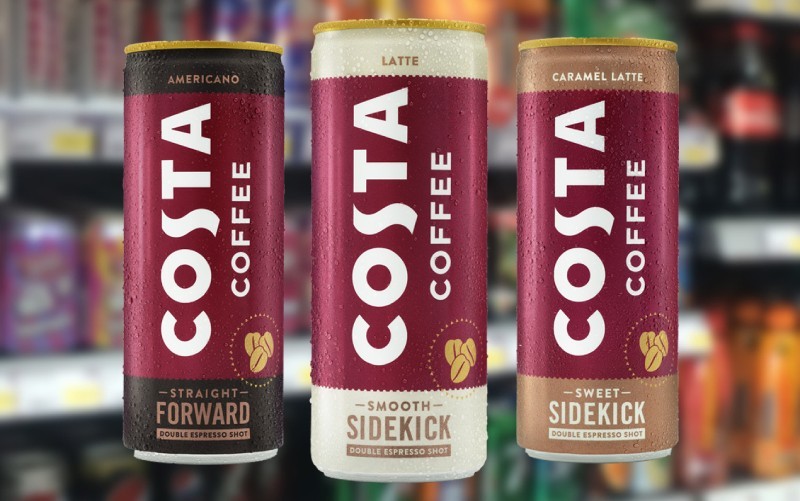
RTD Coffee and Bottled/Canned Coffee
- Market size and share: This coffee segment is a growth star, with a CAGR of approximately 8–10%, accounting for around 15–20% of total coffee consumption in APAC. Japan, China, and South Korea are the largest markets for these products.
- Consumption trends: Growth is driven by convenience and greater flavor diversity. Convenience stores and vending machines are key growth drivers.
- Demand characteristics: Buyers focus on neutral flavor, heat resistance during sterilization/pasteurization, and chemical stability to ensure the product does not experience flavor changes after long storage periods.
- Main raw material demand: Commercial Robusta, Robusta Washed, Robusta Natural, Arabica Natural, and custom blends.
Commercial Roasted Coffee
- Market size and share: Accounts for approximately 20–25% of the market. These products mainly serve affordable coffee shops, restaurants, and the traditional coffee segment.
- Consumption trends: Stable in traditional markets such as Vietnam and Indonesia. Consumers continue to prefer bold profiles and strong bitterness.
- Demand characteristics: Price stability and supply availability are prioritized. Manufacturers often use dark roast profiles to emphasize bitterness and mask minor bean defects, if any.
- Main raw material demand: Commercial Robusta, Robusta Green Coffee Beans, Arabica Green Coffee Beans, and Arabica–Robusta blends.
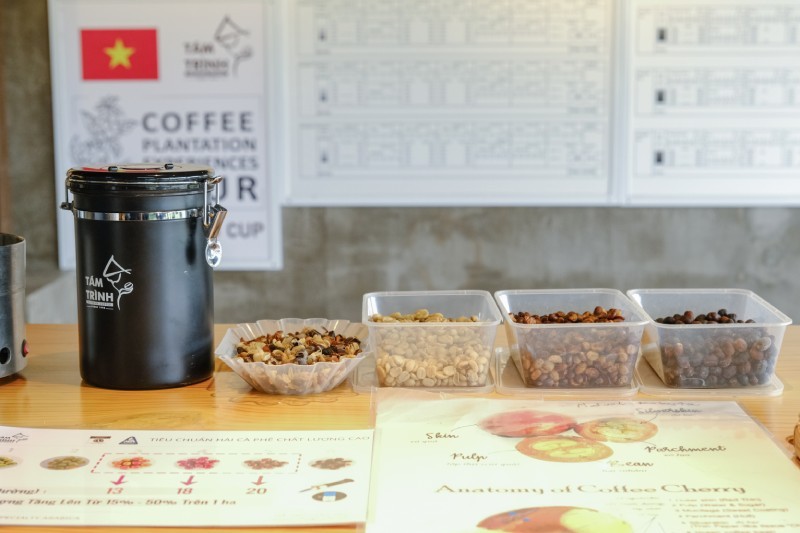
Specialty Coffee and Premium Coffee
- Market size and share: The premium segment is growing strongly, accounting for approximately 10–12% of the market while generating very high profit value. Particularly in major cities such as Tokyo, Shanghai, Seoul, and Melbourne, this segment is growing by an average of 15% per year.
- Consumption trends: Focused on experience, special processing techniques, and stories from the growing region.
- Demand characteristics: Buyers are specialty roasters seeking unique flavor profiles, consistency in bean size, and complete transparency regarding processing methods.
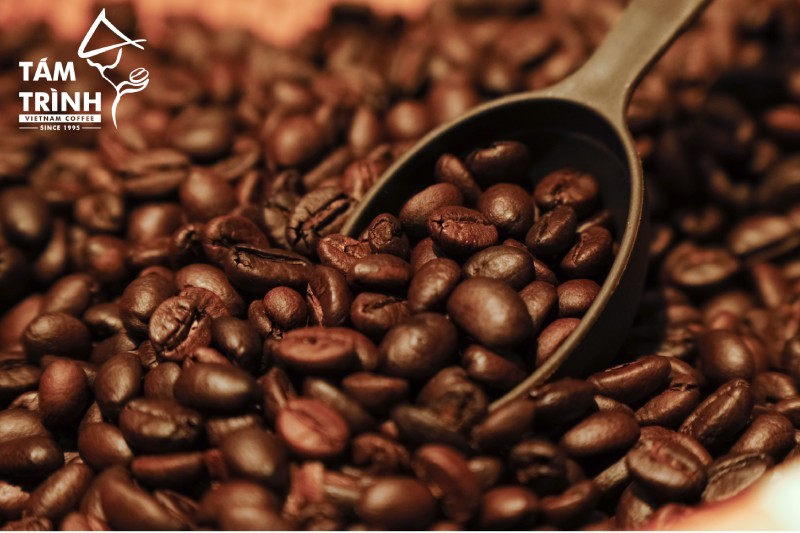
- Main raw material demand: Arabica Washed, Arabica Natural, Arabica Honey, Fine Robusta, Robusta Honey, Robusta Washed, and Robusta Natural.
Naturally Roasted Coffee and Pure Coffee
- Market size and share: Accounts for approximately 5–8% of the market but is emerging as a new trend among more informed consumers.
- Consumption trends: Sustainable growth driven by greater consumer health awareness. Markets such as Vietnam, Thailand, and Indonesia are witnessing a shift from flavored coffee toward naturally roasted coffee that preserves the original bean flavor.
- Demand characteristics: Customers care about freshness, clear origins, and commitments not to use chemical flavorings. They require high-quality green coffee beans that clearly express natural flavor notes.
- Main raw material demand: High-quality green coffee beans, carefully selected for uniform ripeness, free from chemical residues, and suitable for natural roasting to preserve the beans’ original flavors.
Countries Playing Prominent Roles in the APAC Coffee Market
The APAC market is shaped by clear differences between production powerhouses and premium consumer markets.
Group 1 — Major Producing Countries & Supply-Shaping Markets
The first group includes major producing countries that shape supply, with the following notable markets:
Vietnam — The “Backbone” of Regional Robusta
Vietnam is the world’s largest Robusta exporter, supplying approximately 40% of global Robusta production. Domestic demand is also growing strongly, supported by the distinctive Vietnamese phin coffee culture. Vietnam’s supply chain is heavily concentrated in the Central Highlands.
This is a stable source in terms of production volume but is facing significant pressure from climate change and changes in cultivated crop areas. Vietnam specializes in Commercial Robusta Grade 2, suitable for instant coffee and RTD; Commercial Robusta Grade 1, suitable for Espresso blends and commercial roasting; and premium Fine Robusta, which has higher production costs and is used for specialty blends and single origin products.

Indonesia — Both an Exporter and a Reverse Importer of Robusta
Indonesia produces both Robusta and Arabica, with well-known coffee-growing regions such as Sumatra, Java, Sulawesi, and Bali. Although production is large, domestic consumption is also very strong, sometimes resulting in imports from Vietnam to serve the domestic instant coffee industry. Indonesian coffee is characterized by a full body and highly distinctive flavor, making it suitable for blends or single origin products.
For the 2025/26 crop year, the latest USDA data for Indonesia further highlights the supply-demand gap:
- Production: 12.5 million 60-kg bags, equivalent to 750,000 tons.
- Domestic consumption: 4.81 million bags, equivalent to approximately 289,000 tons.
- Production-consumption difference: approximately 7.69 million bags (~461,000 tons).
- However, Indonesia is still expected to import approximately 1.42 million bags (~85,200 tons) of coffee in 2025/26, of which 400,000 bags (~24,000 tons) are green coffee beans.
India — Balancing Production & Niche Segments
India produces both Arabica and Robusta while also having a growing consumer market. Coffee production in India continues to grow steadily. India is not only an exporter but also a promising domestic consumption market. Indian Robusta has a neutral profile and is widely preferred for espresso blends and high-quality instant coffee.
Robusta from Karnataka and Kerala has good body, low acidity, and a relatively balanced profile, making it suitable as a base for commercial espresso blends and instant coffee. In particular, Monsooned Malabar—coffee that undergoes monsoon processing—is characterized by full body, low acidity, and a distinctive earthy profile, and is often used to add depth and personality to blend formulas.
Satellite Supply Regions: Laos & Papua New Guinea
Laos focuses on high-quality Arabica from the Bolaven Plateau, targeting the specialty and premium segments. Papua New Guinea specializes in Arabica with a clean, distinctive flavor that is often favored by specialty roasters in Australia and Japan.

Group 2 — Pure Consumer & Import Markets
In addition to Group 1, Group 2 consists of pure consumer and import markets, including:
Japan — A Market with Strict Quality Standards
- Supply–demand: Japan is completely dependent on imports. It remains one of the world’s largest coffee importers, with stable and sustainable demand.
- Consumption information: Japanese consumers are highly sophisticated, favoring the convenience of canned coffee, premium instant coffee, and specialty coffee. The market has strongly developed convenience-store chains serving machine-brewed coffee on site.
- Raw material segment: Japan has some of the strictest requirements in the world regarding consistency, moisture, packaging specifications, and especially traceability. Buyers prioritize Specialty Arabica and high-quality Robusta to add body to commercial blends.
South Korea — A Coffee Culture That Rapidly Adopts Trends
- Supply–demand: A market with very high domestic consumption growth, making it an attractive destination for international coffee brands.
- Consumption information: “Coffee culture” is not only about drinking coffee but also about the overall experience. Year-round Iced Americano consumption, latte products, and dessert coffee are particularly popular. This market is highly trend-driven and ready to embrace new products and distinctive brand concepts.
- Raw material segment: Strong demand for Specialty Arabica with distinctive flavor profiles. South Korean roasters place significant emphasis on the novelty of raw materials from different origins.
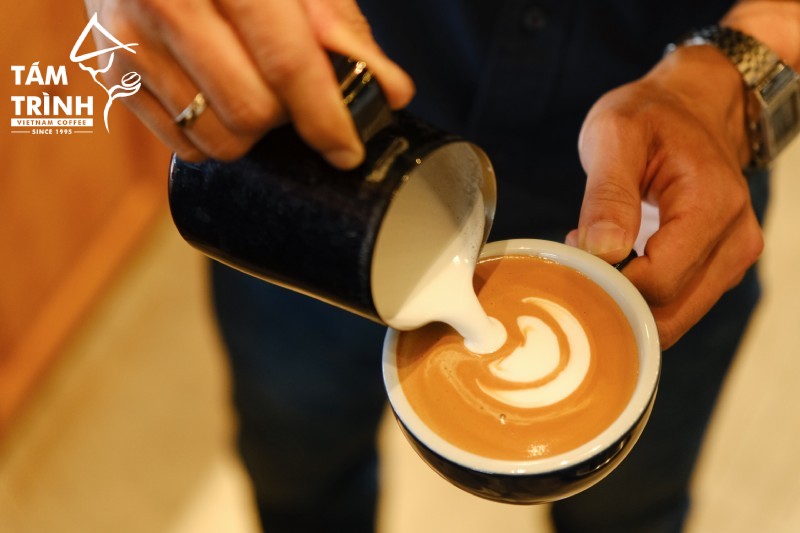
Australia — A Center for Specialty & Third-Wave Coffee
- Supply–demand: A market with high per-capita coffee consumption, where coffee is an essential part of urban life.
- Consumption information: Australia is one of the markets with a highly developed specialty coffee culture, where the third-wave coffee movement was adopted early and developed into its own distinctive identity, independent of mass-market commercial coffee chains. Australian consumers have very high standards for roasting techniques, barista skills, and transparency regarding coffee-growing regions, creating one of the most demanding APAC markets for raw material suppliers.
- Raw material segment: Focused on specially processed Arabica and Fine Robusta. Transparency regarding growing regions and processing methods is a decisive factor in entering this market.
Premium Consumption & Distribution Hubs: Taiwan & Singapore
Singapore and Taiwan serve as important financial and logistics “hubs” in APAC.
- Characteristics: Consumption in these markets is concentrated in the premium segment. Consumers have high incomes and preferences strongly influenced by Western styles combined with Asian identity.
- Raw material demand: Mainly imports high-quality green coffee beans to supply boutique coffee chains and small roasting facilities. These markets are also places where businesses often establish headquarters to manage supply chains across Southeast Asia.
Group 3 — Consumer Markets with Supply Shortages
These are markets experiencing explosive growth in coffee consumption, where coffee culture is developing faster than domestic production capacity. These countries are becoming magnets for raw material supply from around the world.
China — Consumption Growth Far Exceeds Domestic Production Capacity
- Supply–demand: China is both a coffee-producing country and one of the world’s fastest-growing coffee consumer markets. Domestic production is insufficient to meet the enormous demand from younger consumers. USDA estimates Chinese coffee consumption at 6.3 million 60-kg bags (~378,000 tons) in the 2024/25 crop year, while domestic production is only approximately 2 million 60-kg bags (~120,000 tons). This creates a deficit of 4.3 million bags (~258,000 tons), equivalent to nearly 68% of demand, which must be supplied through imports.
- Consumption: China’s coffee supply chain is optimized through e-commerce platforms, delivery services, and technology-driven coffee chains. Coffee has become a symbol of the modern urban lifestyle.
- Raw material segment: Demand ranges from competitively priced Robusta for packaged and instant coffee production to high-quality Arabica serving specialty coffee chains.
Consumer Segmentation: Thailand & the Philippines
Thailand is developing specialty coffee and cold coffee, while the Philippines has strong demand for instant coffee and convenient products. Both markets have potential for localized products and new brands.
| Criteria | Thailand | Philippines |
| Supply–demand | Domestic production remains limited compared with growing consumption demand. | Highly dependent on imports to meet mass-market instant coffee demand. |
| Consumption information | Strong development in Specialty Coffee, Cold Brew, and creatively styled cafés (artistic). | Convenience is the highest priority; high consumption of 3-in-1 instant coffee and canned RTD products. |
| Raw material segment | Specialty Arabica, Fine Robusta, and coffee beans with distinctive flavor profiles. | Commercial Robusta, low-cost and stable raw materials for the instant coffee industry. |
Tám Trình Coffee in the Asia-Pacific Coffee Market
The Asia-Pacific coffee market is constantly evolving, from mass-consumption demand to the strict standards of specialty coffee. Tám Trình Coffee is proud to be a strategic partner helping B2B businesses conquer this market with high-quality and stable raw materials.
Tám Trình Coffee is an optimal choice for APAC partners because of:
- Diverse product portfolio: Providing a full range of coffee products from Commercial Robusta and Fine Robusta to high-quality Arabica.
- Consistent quality: Strict processing and control from the growing region, ensuring every shipment meets international export standards for bean size, moisture, and flavor.
- Flexible raw material solutions: Tám Trình Coffee understands the preferences of each market. Based on this understanding, it provides optimal blending solution recommendations for instant coffee manufacturers, roasting facilities, B2B customers, and others.
- Sustainable reliability: Tám Trình Coffee partners with more than 3,000 coffee-growing households to ensure stable supply capacity. At the same time, its commitment to origin transparency helps your business minimize risks, optimize costs, and maintain consistent final-product quality.
Need Technical Specifications for This Product?
Request the Technical Specification Sheet — including screen size, moisture content, defect rate, processing method, available certifications, and current FOB price.
- Specifications & Quotation: Send an email with your requirements for grade and volume.
- Sample Request: Samples can be provided before placing a large-volume order.
- MOQ: 1 x 20-ft container (~18–19 tons) | Smaller quantities may be negotiable.
Contact the export team directly:
WhatsApp / Hotline: 088 6677 238
Email: admin@tamtrinhcoffee.com
Response within 1 business day.
FAQ: Asia-Pacific Coffee Market
What Is the Asia-Pacific Coffee Market?
The Asia-Pacific coffee market includes countries involved in coffee production, consumption, import, export, and distribution across APAC, with segments including instant coffee, RTD, roasted coffee, specialty coffee, and green coffee beans.
Which Countries Stand Out in the APAC Coffee Market?
Notable countries include Vietnam, Indonesia, India, Japan, South Korea, China, Australia, Thailand, the Philippines, Laos, and Singapore. Each market plays a different role and has different consumer preferences.
Which Segments Are Growing in the APAC Coffee Market?
Notable segments include RTD coffee, premium instant coffee, specialty coffee, cold brew, naturally roasted coffee, packaged coffee, and OEM/private label products.
Why Is Vietnamese Robusta Important to the APAC Market?
Vietnamese Robusta offers large production volumes, bold flavor, full body, competitive pricing, and suitability for instant coffee, RTD coffee, espresso blends, Vietnamese phin coffee, and commercial roasting.
What Opportunities Does Vietnamese Coffee Have in APAC?
Vietnamese coffee has opportunities to develop Commercial Robusta, Fine Robusta, and Arabica, with Honey, Washed, and Natural processing methods, as well as naturally roasted coffee and OEM/private label products for multiple market segments.
Which Products Does Tám Trình Coffee Supply to B2B Customers?
Tám Trình Coffee supplies Commercial Robusta, Robusta Green Coffee Beans, Fine Robusta, Robusta Honey, Robusta Washed, Robusta Natural, Arabica Green Coffee Beans, Arabica Washed, Arabica Natural, Arabica Honey, and naturally roasted coffee for B2B customers.
Conclusion
Thus, the Asia-Pacific coffee market is experiencing remarkable growth, with strong differentiation across market segments. To succeed, businesses need a deep understanding of consumer preferences in each country, along with a stable and transparent source of raw materials.
Tám Trình Coffee is proud to be a strategic partner, providing comprehensive green coffee solutions. This helps businesses optimize their formulations, reinforce product quality, and capture market opportunities. Contact us today for dedicated consultation and support.