

Top 10 Largest Coffee Exporting Countries in the World Today
Coffee is one of the most actively traded agricultural commodities in the world. From famous coffee-producing countries such as Brazil and Colombia to nations like Vietnam and Indonesia, as well as long-established coffee-growing regions in Africa, each origin contributes to the diversity and richness of coffee flavors and styles.
In recent years, global coffee consumption has continued to rise, requiring coffee exporting countries to strengthen their supply capacity.
Below is a list of the world’s largest coffee exporting countries and Vietnam’s position in the global coffee market.
Coffee Export Overview in 2026
The year 2026 marks a major shift in the global coffee supply chain as many regions demand larger supplies, especially the Americas, Europe, the Middle East, South Korea, and China. New consumer trends are beginning to strongly influence the export activities of many coffee-producing countries.
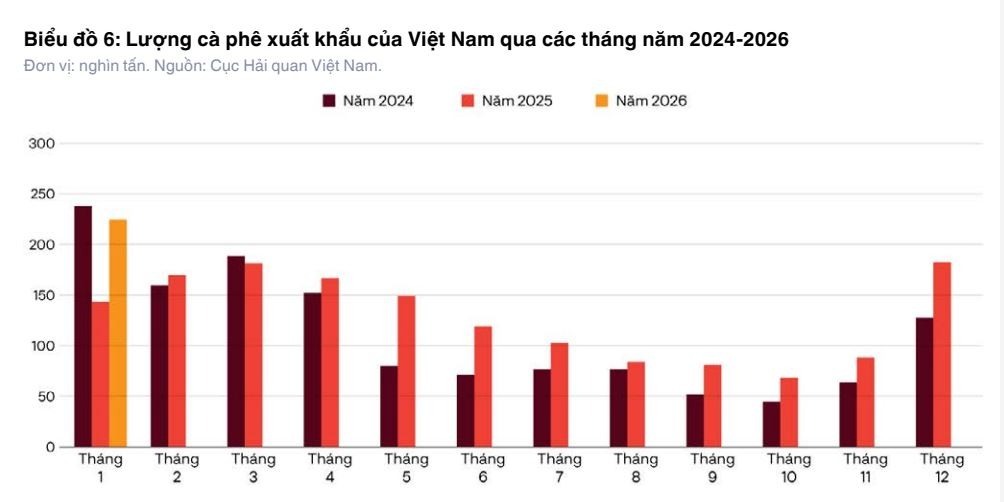
Brazil continues to hold its leading position as the world’s largest coffee exporter thanks to its outstanding production volume. Vietnam is also highly competitive, maintaining its No. 1 position in Robusta coffee exports for the international market. Specifically, Vietnam’s average annual production reaches approximately 1.5–1.8 million tons, accounting for around 17% of global coffee production and about 40% of the world’s Robusta export volume.
Meanwhile, Colombia, Ethiopia, and Guatemala continue to play an important role in the high-quality Arabica segment.
In today’s green coffee export segment, besides pressure on volume and price, global importers and traders are increasingly tightening quality standards. However, the definition of “quality” is no longer limited to flavor alone. At its core, it now includes shipment consistency, the ability to comply with international regulations such as the EUDR, and clear traceability. This shift requires exporters to focus on standardizing sustainable supply chains instead of pursuing only short-term profits from raw volume.
Top 10 Largest Coffee Exporting Countries in the World
Brazil
Brazil is currently the world’s largest coffee exporting country with a modern production system. The country exports both Arabica and Robusta in large volumes, leading the global market, especially in commercial Arabica used for espresso blends and roasted coffee. Brazilian coffee is widely consumed in Europe, the United States, and Asia thanks to its stable supply, competitive pricing, and approachable flavor profile suitable for many brewing styles.

Vietnam
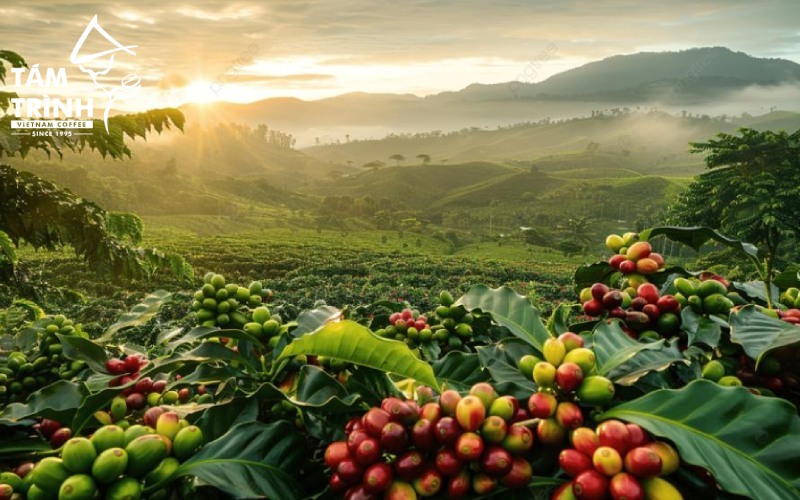
Vietnam is currently the world’s second-largest coffee exporter and holds the No. 1 global position in Robusta coffee exports. With vast growing regions in the Central Highlands such as Lam Dong, Dak Lak, Gia Lai, and Dak Nong, Vietnam plays an important role in the international coffee supply chain, especially in the commercial Robusta and high-quality Fine Robusta segments.
Vietnam’s key exported green coffee products are mainly dry-processed Robusta, including Natural and Commercial Grade. The most common types are Robusta Screen 16 and Screen 18, with standards such as 1% black and broken beans and moisture content of around 12.5%, suitable for industrial roasting and instant coffee production. In addition, Vietnam is also developing Fine Robusta, Honey Robusta, Washed Robusta, and Specialty Robusta to meet the growing demand of the international specialty coffee market.
Vietnamese Robusta is strongly imported by Europe, the United States, Japan, South Korea, and the Middle East. The European market consumes large volumes of Vietnamese Robusta for instant coffee and espresso blends thanks to its full body, good crema, bold flavor, and competitive price. The United States and South Korea are paying more attention to Fine Robusta and clean-processed Robusta for specialty coffee and modern machine brewing segments. Meanwhile, the Middle East and several Asian countries favor Vietnamese Robusta for its strong flavor, high caffeine content, and suitability for traditional bold coffee drinking habits.
Colombia
Colombia is globally famous for producing high-quality Arabica coffee, supported by ideal climate conditions and mountainous terrain. The country focuses on exporting Washed Arabica with bright acidity, a balanced aftertaste, and a clean cup. Colombian coffee is favored in markets such as the United States, Europe, and Japan thanks to its consistent quality and suitability for the specialty coffee segment.
Indonesia
Indonesia is one of the oldest coffee-producing countries in Asia. The country exports both Robusta and Arabica and is known for coffees from Sumatra, Java, and Sulawesi, which often have a full body, earthy notes, and a strong aftertaste. Indonesia’s main consuming markets include the United States, Japan, and Europe, where many roasters value its distinctive flavor for espresso blends and specialty coffee.
Ethiopia
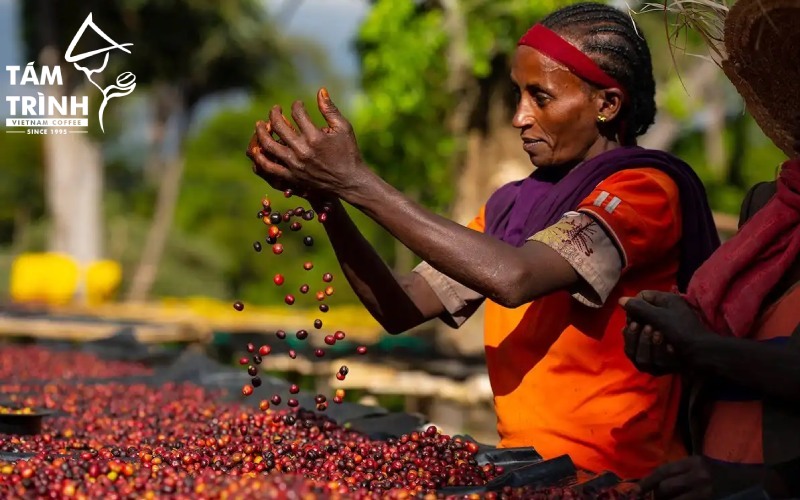
Arabica coffee is believed to have originated in Ethiopia, a country closely tied to the cultural and historical stories of the coffee industry. Ethiopia is famous for specialty coffee with floral aromas, fruity notes, and high complexity.
Highly regarded Arabica coffees in the global market are grown in regions such as Yirgacheffe and Sidamo. Ethiopian coffee is strongly consumed in the United States, Europe, and South Korea thanks to its unique flavor profile, which fits the modern specialty coffee consumption trend.
Honduras
Honduras is gradually becoming one of the prominent coffee exporting countries in Central America. The country focuses strongly on specialty Arabica grown in highland regions, with quality improving year after year. Honduran coffee is widely imported by the United States and Europe, especially by specialty roasters, thanks to its clean, balanced flavor and competitive pricing.
Uganda
Uganda is currently one of the largest coffee exporting countries in Africa, with a strong advantage in Robusta. The country mainly exports Robusta coffee with a bold, strong flavor, suitable for instant coffee and industrial blends, while also developing high-quality Arabica. Uganda’s major consuming markets include Europe and the Middle East, where there is strong demand for good-value Robusta and stable supply.
India
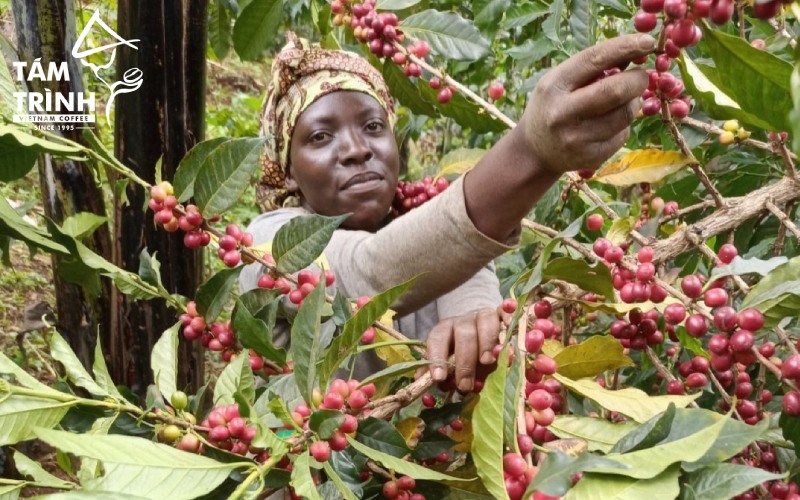
India is currently the seventh-largest coffee producer and ranks fifth in coffee export volume worldwide. India produces both Arabica and Robusta, and it is especially known for Monsooned Coffee, which has a distinctive flavor created through exposure to monsoon humidity. The country exports many types of coffee for espresso blends and commercial roasted coffee. Indian coffee is strongly imported by Europe and the Middle East and is widely used in espresso blends thanks to its bold flavor, low acidity, and suitability for diverse consumer preferences.
Peru
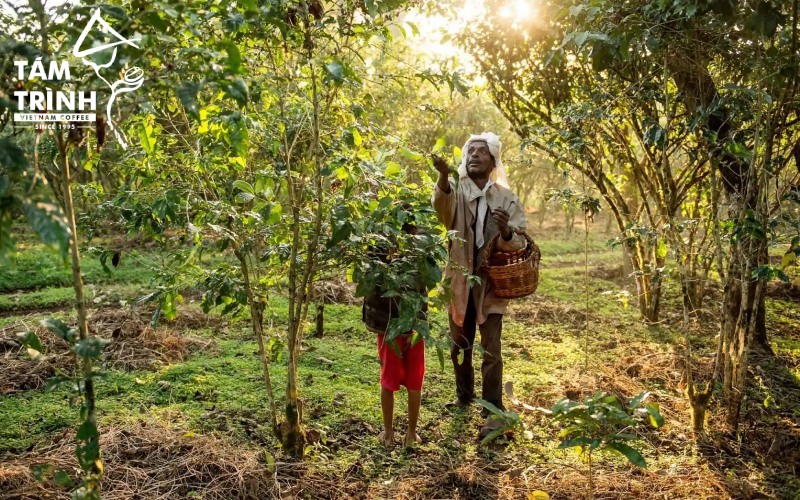
Peru is currently one of the world’s major sources of organic coffee. The country is known for Organic Arabica and Fairtrade-certified coffee. Peruvian coffee is mainly grown along the slopes of the Andes Mountains at elevations from 1,000 to 2,000 meters, favorable conditions that give the coffee rich fruit and floral flavors. Markets such as the United States and Europe especially favor Peruvian coffee due to sustainable consumption trends and the growing demand for organic coffee.
Guatemala
Guatemala is famous for high-quality Arabica grown in fertile volcanic soils. Guatemalan coffee often has a rich flavor profile, bright acidity, and distinctive notes of chocolate, caramel, and fruit.
Guatemalan coffee is strongly consumed in the United States, Japan, and Europe thanks to its high quality, complex flavor profile, and roasting consistency.
Comparison Table: Top Coffee Exporting Countries
| Country | Notable Coffee Type | Main Export Strength |
| Brazil | Arabica & Robusta | Largest production and export volume in the world |
| Vietnam | Robusta & Arabica | Second-largest coffee producer globally and the world’s largest Robusta exporter |
| Colombia | Arabica | Famous for high-quality Washed Arabica |
| Indonesia | Robusta & Arabica | Coffee with full body, earthy notes, and a strong aftertaste |
| Ethiopia | Arabica | Specialty coffee with floral, fruity, and highly complex profiles |
| Honduras | Arabica | One of the major Arabica exporters in Central America |
| India | Robusta & Arabica | Robusta, Arabica, and Monsooned Coffee |
| Uganda | Robusta & Arabica | Africa’s largest Robusta export volume |
| Peru | Arabica | Organic Arabica and Fairtrade coffee |
| Guatemala | Arabica | High-quality Arabica from volcanic regions |
Why Is Vietnam Important in the Coffee Supply Chain?
For many consecutive years, Vietnam has remained among the world’s largest coffee exporting countries and is currently the main Robusta supplier for many international markets. Global roasting groups use Vietnamese coffee as an important part of their raw material supply chain.
In addition to supplying large coffee volumes, Vietnam has advantages in climate, terrain, concentrated growing regions, and a large number of experienced farmers. The Central Highlands is known as the country’s largest coffee-growing region, with hundreds of thousands of hectares under cultivation. The region is characterized by fertile basalt red soil and a suitable tropical climate, helping coffee trees grow consistently, produce high yields, and maintain uniform quality. Vietnam also has a large-scale production and purchasing system, supported by many enterprises, cooperatives, and farming households with long-standing experience in the coffee export industry.
Furthermore, as demand for espresso blends and instant coffee continues to grow, exporting Vietnamese Robusta to the world has become increasingly important, especially for many international coffee brands.
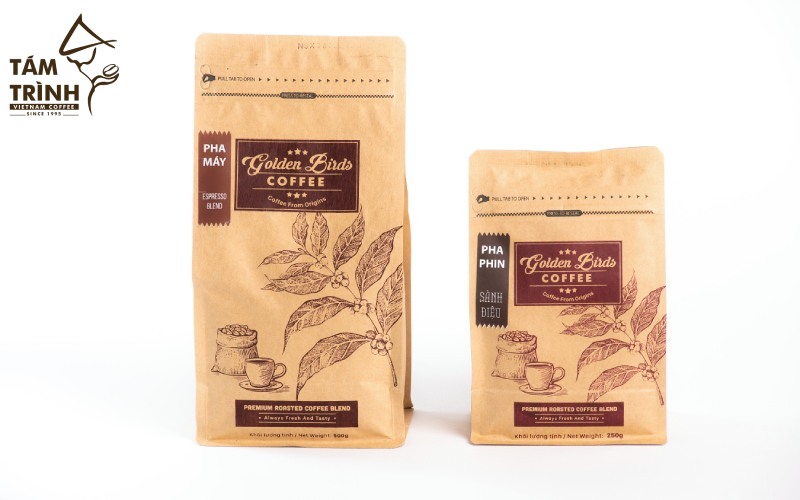
Tam Trinh Coffee — Vietnamese Coffee Export Factory
With 30 years of experience in the coffee industry and more than 17 years in international trade, Tam Trinh Coffee has established itself as a reputable green coffee supplier, successfully reaching nearly 20 global markets.
Tam Trinh Coffee owns a factory covering approximately 5,000 square meters, built to meet export-oriented standards. The company also focuses on sustainable certifications and standards such as Rainforest Alliance, 4C, EUDR, HACCP, and FDA, depending on the requirements of each market and importing partner.
With a sustainable development orientation, Tam Trinh Coffee works with more than 3,000 local farming households to build high-quality raw material sources, focusing on ripe-cherry harvesting, controlled processing, and developing the flavor potential of Vietnamese coffee beans. Thanks to this, each harvest season brings an average of approximately 25,000 tons of quality raw materials.
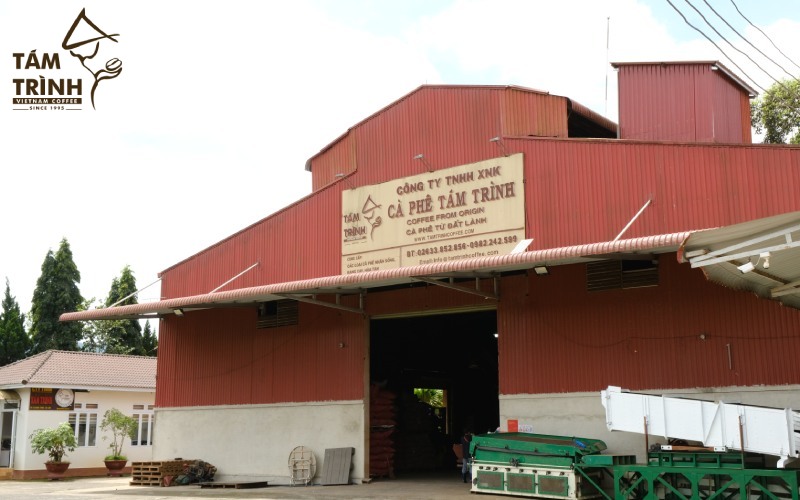
In addition to focusing on the export of green coffee and roasted coffee, Tam Trinh Coffee also develops experiential activities such as Coffee Tours, Vietnamese phin coffee brewing workshops, and coffee tourism models in Lam Dong.
Thanks to this fresh mindset and new direction, Tam Trinh Coffee has contributed to introducing coffee culture, growing-region stories, and the Farm to Cup journey to global audiences. This also helps increase the value of the Vietnamese coffee brand in the international market.
Whether you need a bulk quote, a trial sample, or just want to confirm specs before committing — our export team is ready to help.
| What You Need | How to Reach Us |
| Lead time , EUDR / certification docs , production information | admin@tamtrinhcoffee.com |
| Sample lot request / other support / FOB quote | Hotline/WhatsApp: 088 6677 238 |
→ Request a Quote → Request a Sample Lot
Tám Trình Coffee — Green Coffee Exporter, Nam Ban – Lâm Hà, Lâm Đồng, Vietnam Export team responds within 2 business days.
FAQ: Coffee Exporting Countries
Which country is the largest coffee exporter in the world?
Brazil is currently the world’s largest coffee exporter, with outstanding production volume in both Arabica and Robusta.
What rank does Vietnam hold in coffee exports?
Vietnam currently ranks second in the world for coffee exports and is the largest Robusta exporting country globally.
Why is Vietnamese Robusta important?
Vietnamese Robusta has large production volume, a strong flavor, and is well suited for espresso blends, instant coffee, and the global coffee industry.
What are the current trends in the global coffee industry?
The coffee industry is now focusing more on specialty coffee, traceability, sustainable production, organic coffee, and increasing the value of growing regions.
Does Tam Trinh Coffee export coffee?
Yes. With 30 years of experience in the coffee industry, Tam Trinh Coffee is proud to be a reputable green coffee exporter, exporting to nearly 20 countries worldwide.