

The Future of Vietnam’s Coffee Exports Amid Global Political Uncertainty in 2026
Amid ongoing geopolitical conflicts, logistics disruptions, and constantly fluctuating global coffee prices, Vietnam’s coffee industry faces both challenges and opportunities in 2026. With advantages in Robusta production, stable supply, and strong export capacity, what does the future hold for Vietnam’s coffee exports?
The Global Coffee Market Outlook in 2026
In 2026, the global coffee market is entering a rebalancing phase after a period of significant price increases caused by supply shortages. Supply from major producing countries such as Brazil and Vietnam is showing signs of recovery, causing both Arabica and Robusta prices to decline from previous peak levels.
Brazil, in particular, is expected to achieve strong production volumes in the new harvest season, while coffee exports are increasing due to improved availability. However, the market remains far from stable. Global coffee consumption continues to rise, while climate change risks and the potential return of El Niño could impact the 2027 crop year.
At the same time, global coffee inventories remain low, and increasingly stringent traceability requirements continue to be factors that may influence coffee prices in the coming years.
Overall, 2026 represents a transitional period from supply shortages toward a more balanced market. Nevertheless, the global coffee industry still faces numerous uncertainties that are likely to keep prices significantly higher than pre-2024 levels.
Vietnam’s Position in Global Coffee Exports
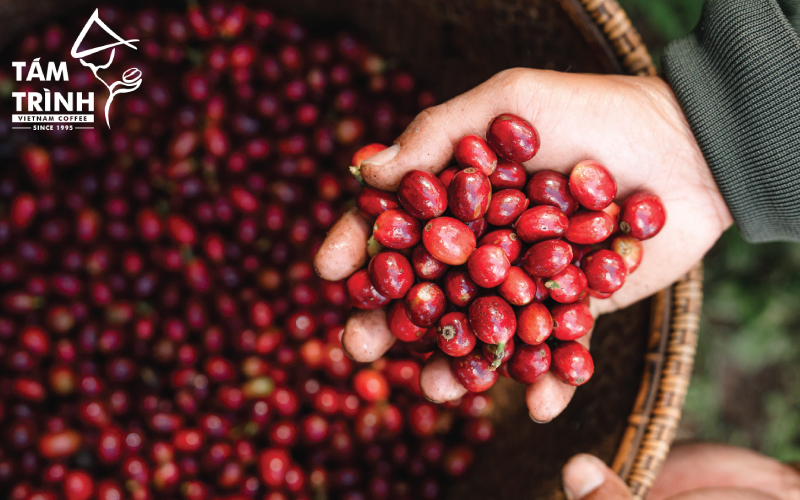
Vietnam is currently the world’s second-largest coffee exporter and the largest supplier of Robusta coffee globally. With production estimated at approximately 30.8–31 million bags, Vietnam accounts for around 17% of global coffee production.
Vietnam’s position is reflected through several key advantages:
- Record export revenue: In 2025, Vietnam achieved coffee export earnings of USD 8.9 billion, a significant increase compared to previous years. According to forecasts from the U.S. Department of Agriculture, Vietnam’s coffee production for the 2026/2027 crop year is expected to reach approximately 32.5 million bags, equivalent to 1.95 million metric tons.
- Diverse export markets: Europe, Japan, the United States, South Korea, and China.
- Key strengths: Competitive production costs, high productivity, and stable supply capacity.
Challenges Facing Vietnam’s Coffee Exports in 2026
Despite its advantages, Vietnam’s coffee industry must navigate several challenges within the global market environment.
1. Political Instability and International Shipping Routes
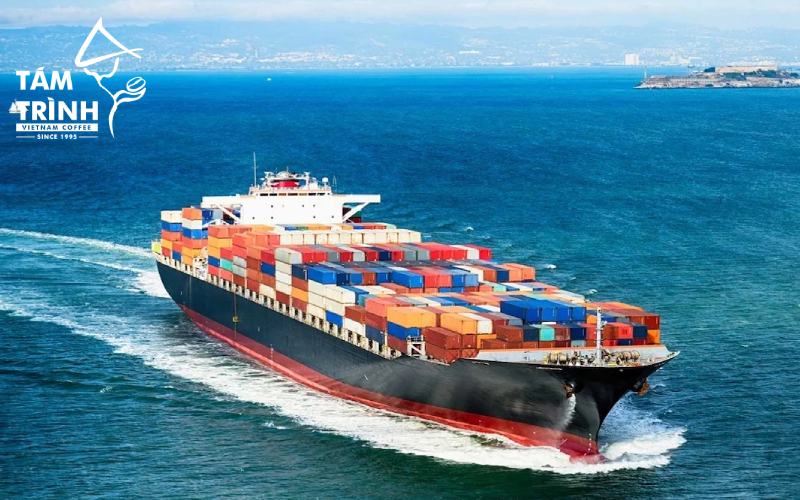
Political conflicts in various regions continue to disrupt international shipping and logistics operations. This results in higher transportation costs, increased insurance expenses, and longer delivery times.
For coffee exporters, these factors create significant pressure on both operating costs and delivery schedules.
2. Volatility in Global Coffee Prices
Global coffee prices are expected to remain highly volatile due to factors such as Brazilian production levels, extreme weather conditions, USD exchange rates, and speculative trading activities.
When prices fluctuate continuously, exporters face difficulties in planning business operations and maintaining stable profit margins.
3. Increasing Traceability and Sustainability Requirements
Many importing countries are tightening regulations regarding traceability, environmental standards, and sustainability requirements.
To maintain export competitiveness, businesses must invest more heavily in coffee-growing regions, quality management systems, and transparent documentation. This remains a major challenge for companies that lack stable and integrated supply chains.
4. Quality Risks and Market Reputation
Quality remains the most important factor in coffee exports.
Without effective quality control systems, exporters risk shipment rejections and reputational damage in international markets. In an increasingly competitive environment, maintaining consistent quality has become essential for the long-term success of Vietnam’s coffee industry.
Opportunities for Vietnamese Coffee in 2026
Alongside these challenges, 2026 also presents significant opportunities for Vietnam’s coffee industry, particularly within the Robusta and high-quality coffee segments.
1. Vietnamese Robusta Continues to Play a Strategic Role
Global demand for Robusta coffee continues to increase, especially in the instant coffee and commercial roasting industries.
As many markets seek to optimize production costs, Vietnamese Robusta has become an essential source of supply thanks to its large production volumes and competitive pricing. This enables Vietnam to maintain a key position within the global coffee supply chain.

2. Processed Coffee Exports Have Significant Growth Potential
Many Vietnamese companies are increasingly investing in higher-value products such as:
- Roasted coffee
- Instant coffee
- OEM coffee products
This strategy helps increase export value rather than relying heavily on raw coffee exports. Meanwhile, demand for processed coffee products continues to grow steadily in many international markets.
3. High-Quality Green Coffee Has Greater Opportunities
Among various coffee products, premium green coffee beans are considered to have particularly strong growth potential.
Stable quality, strict production standards, and superior cup profiles enable these products to access higher-value markets more easily. This creates substantial opportunities for businesses willing to invest in product quality.
4. Companies with Integrated Supply Chains Will Gain Advantages
Businesses that maintain direct relationships with farmers or operate their own coffee-growing regions will have a competitive advantage in 2026.
By controlling their supply sources, these companies can better manage quality, ensure production stability, and meet international traceability requirements.
This advantage helps strengthen credibility and differentiate their offerings in global markets.
Vietnam’s Coffee Export Trends in 2026
Vietnam’s coffee industry is gradually evolving to align with international market demands and emerging consumer trends.
1. From Raw Exports to Value-Added Products
Rather than focusing solely on green coffee exports, many companies are investing heavily in roasted coffee, instant coffee, and other processed products.
This transition helps increase product value and enhance international competitiveness.
Vietnam’s Coffee Exports Are Moving from Raw Commodities Toward Value Creation
2. Growing Demand for Stable Supply Sources
International buyers are increasingly focused not only on pricing but also on long-term supply reliability and consistent quality.
Companies with strong sourcing networks and effective quality control systems are more likely to secure long-term export contracts.
3. More Flexible Logistics Strategies
As shipping costs and delivery schedules continue to fluctuate, many businesses are adopting more flexible logistics approaches, including:
- Working with multiple shipping providers rather than relying on a single carrier
- Combining different transportation methods
These strategies help minimize delivery risks and optimize export costs.
4. Traceability Becomes a Competitive Advantage
Traceability is rapidly becoming a mandatory requirement in many importing markets.
Companies capable of providing transparent sourcing information and production processes will strengthen their reputation and improve their competitiveness in international markets.
Vietnam’s Advantages Compared to Other Coffee Exporting Countries
| Criteria | Vietnam | Brazil | Colombia | Indonesia |
| Main Coffee Type | Robusta | Arabica & Robusta | Arabica | Robusta & Arabica |
| Key Strength | Large-scale Robusta production and green coffee exports | Massive production capacity | Strong Arabica reputation | Diverse coffee supply |
| Target Market Segment | Instant coffee, espresso blends, commercial roasting | Blends and commercial Arabica | Specialty and premium Arabica | Blends and island specialty coffees |
| Opportunities in 2026 | Increasing strategic role as a Robusta supplier | Expanding market share through record production | Maintaining premium quality advantage | Supplementing regional supply |
Tam Trinh Coffee in Vietnam’s Coffee Export Supply Chain
Tám Trình Coffee is a Vietnamese coffee processing, supply, and export company specializing in Robusta and Arabica coffee.
With coffee-growing regions located in Lam Dong Province, the company collaborates with more than 3,000 farming households to establish a stable and sustainable supply source.
At the same time, Tám Trình Coffee continuously improves traceability systems and input quality control processes. Through its commitment to sustainable development, the company is gradually strengthening the position of Vietnamese coffee within the global coffee supply chain.

Conclusion
Despite continued volatility in global markets, Vietnam’s coffee industry remains well-positioned for growth thanks to its strength in Robusta coffee, stable supply capacity, and strong export capabilities.
By capitalizing on traceability trends and continuously improving product quality, Vietnam can further strengthen its position within the international coffee market.
FAQ: The Future of Vietnam’s Coffee Exports in 2026
Does Vietnam’s coffee export industry have strong prospects in 2026?
Yes. Vietnam continues to have strong growth potential thanks to its leadership in Robusta coffee production, stable global coffee demand, and opportunities to expand exports of value-added coffee products.
How does global political instability affect Vietnamese coffee?
Political instability increases transportation, fuel, and insurance costs while extending shipping times. These factors contribute to greater volatility in global coffee prices.
Why does Vietnamese Robusta have an advantage in 2026?
Vietnamese Robusta is widely used in instant coffee, commercial roasting, and espresso blends, making it a critical component of the global coffee supply chain.
What should coffee exporters prepare for in 2026?
Exporters should focus on:
- Traceability systems
- Flexible logistics strategies
- Quality control
- Product diversification
- Long-term B2B customer relationships
Is Tam Trinh Coffee suitable for export buyers?
Yes. Tám Trình Coffee operates a coffee processing and manufacturing facility in Lam Dong Province. The company specializes in supplying and exporting green coffee beans and works directly with more than 3,000 coffee-growing households.